


Displaying items by tag: conference
2018 Orlando

Sixteenth International Conference
The Sixteenth International Conference on Shaken Baby Syndrome was another tremendous conference. This bi-annual event was held in Orlando, Florida on September 16, 17, 18, 2018 at the Loews Portofino Bay Hotel. With over 60 sessions, this conference focused on the latest medical diagnostic innovations, investigative and legal procedures and techniques, evidence-based and creative SBS/AHT prevention programs and support for victim families.
The conference started with an extremely educational presentation by Dr. Andrew Baker, “Detection, Documentation, and Interpretation of Fractures in the Deceased Infant and Small Child: The Autopsy Perspective. This presentation provided useful guidelines to utilize radiographical skeletal surveys in pediatric autopsies. The conference concluded with a presentation from physicians, Dr. Stephen Boos and Dr. Daniel Lindberg, and prosecutors, Erica Kallin and Matthew Torbenson. The panel provided a close examination of the common diagnoses discussed in the court system to dispute AHT symptoms and injuries by featuring a mock trial with expert testimony highlighting important dos and don’ts as well as useful cross examination techniques.
In addition to the superb line-up of workshop presentations, the conference featured the always popular Basics Track for legal professionals. A majority of these sessions were recorded and will be available for future viewing through the NCSBS online training modules at training.dontshake.org.
2019 Sydney

International Symposium on Shaken Baby Syndrome/Abusive Head Trauma
After nearly twenty years, the NCSBS had the privilege to lead a training opportunity in Australia. The International Symposium on Shaken Baby Syndrome/Abusive Head Trauma was hosted jointly by the National Center on Shaken Baby Syndrome and the Sydney Children’s Hospital Network (SCHN) and was sponsored by Prevention and Response to Violence Abuse and Neglect (PARVAN) Unit, a department of the NSW Ministry of Health.
Nearly 350 professionals came together from a multitude of disciplines including: pathology, pediatrics, nursing, social work, law enforcement, rehabilitation and many more. Experts from numerous countries around the world shared their latest research and experiences.
The Symposium began with a poignant welcome from Dr. Kim Oates, a leader in the medical field in Australia. The first session of the day brought presenters from three countries together as they discussed their publish research on the financial burden an SBS/AHT case can have on society and how these figures can be used to advocate for prevention. One of the most talked about sessions was Dr. Carole Jenny’s (Seattle, Washington) discussing how biomechanics can affect the field’s view on SBS/AHT. Dr. Arabinda Choudhary (Little Rock, Arkansas) share his groundbreaking work in utilizing an array of imaging techniques to diagnosis Abusive Head Trauma cases. To end this successful event, Mr. Andrew Waterman, Detective Chief Inspector (Sydney, Australia), discussed his investigative experiences with suspected cases of Abusive Head Trauma.
The Symposium was a huge success and the NCSBS and SCHN hope to have the opportunity to bring the event back to the region much sooner again!
2022 Philadelphia

Eighteenth International Conference on Shaken Baby Syndrome/Abusive Head Trauma
The Eighteenth International Conference on Shaken Baby Syndrome/Abusive Head Trauma was held on October 23, 24, 25, 2022 at the Loews Philadelphia Hotel. It was extremely well-attended, with more than 400 people participating in over 60 sessions focusing on family/victim support, investigative techniques, legal and trial experiences, prevention programs from around the world, the latest research from experts in the field, and shared experiences from parents and survivors.
We were honored to have the conference kick off with a presentation by Dr. Hank Puls, “The Rates of AHT During COVID-19.”
Some of the other highlights of the 3-day event included:
- Dr. Mary Case being presented the Lifetime Achievement Award by the National Center on Shaken Baby Syndrome. The award was presented by Dr. Lucy Roarke-Adams. Dr. Case has spent her career as a forensic pathologist speaking for child victims of abuse and as an expert witness for shaken baby syndrome/abusive head trauma.
- Our “Ask The Experts” panel was facilitated by Dr. Randall Alexander, Dr. Lori Frasier, Tom Fallon (JD), and Joelle Moreno (JD). The discussion was vibrant and informative.
- The premier of “A Survivor’s Story” featuring Josh Sorrels, filmed by Christopher Baier, relating the story of adult Josh discovering he is a victim of shaken baby syndrome.
- A powerful and moving presentation by Sameer Sabir, “Justice for Rehma,” as he discussed the loss of his daughter to this devastating form of abuse and the judicial process that victimized the family further.
The National Center on Shaken Baby Syndrome is indebted to the willing experts who presented at the conference, shared years of experience, research, and knowledge, and to the brave families and victims who shared their heartbreaking stories.
2024 Salt Lake City

Nineteenth International Conference on Shaken Baby Syndrome/Abusive Head Trauma
The Nineteenth International Conference on Shaken Baby Syndrome/Abusive Head Trauma was held on September 15, 16, 17, 2024, at the Little America Hotel in Salt Lake City, Utah. More than 400 people from 11 countries participated in over 60 sessions focusing on family/victim support, investigative techniques, legal and trial experiences, prevention programs from around the world, the latest research from experts in the field, and shared experiences from parents and survivors.
We were honored to have the conference kick off with a keynote presentation by Dr. Lori Frasier, “Deconstructing a Diagnosis of Abusive Head Trauma.”
Some of the other highlights of the 3-day event included:
- Marilyn Barr received the Lifetime Achievement Award. She founded the National Center on Shaken Baby Syndrome and has worked tirelessly as an advocate since. A special piece of art was commissioned and painted for Marilyn by Sabine Witte, a survivor.
- A three-part series was presented over the course of 3 hours detailing the process of a successful conviction in Boise, Idaho. Speakers included Dr. Lori Frasier, Dr. Gina Bertocci, Dr. Derrick Dauplaise, Jason Pietrzak, Daniel Dinger, and Tessie Buttram.
- Debbie Eappen and Sameer Sabir were keynote speakers addressing “Media: Fact or Fiction, Friend of Foe.“ This was an in-depth presentation on their experiences with the media during their cases and ways they were further victimized.
- Special family-oriented sessions included music therapy, caring for the caregiver, and the benefits of animal therapy.
We are so grateful for the incredible speakers who presented at this conference, sharing their experiences, research, and knowledge. The survey feedback was the highest we have ever achieved!
Our twentieth conference will be held in Nashville, Tennessee, on September 21, 21 & 22, 2026, at the Loews Vanderbilt Hotel.
ISPCAN Sweden NCSBS References
Title: How Do You Start a Conversation about Abusive Head Trauma: The Importance of a Multi-Faceted Approach
Three Lines of Evidence
1. Shaking a Baby is Dangerous
What is shaken baby syndrome/abusive head trauma (SBS/AHT)? The Center for Disease Control and Prevention defines shaken baby syndrome as a preventable, severe form of physical child abuse resulting from violently shaking an infant by the shoulders, arms, or legs14. SBS/AHT may result from both shaking alone and shaking with impact so the term abusive head trauma (AHT) is used more inclusively.
Abusive Head Trauma (AHT) is the leading cause of infant mortality due to physical abuse causing death in more than 25% of AHT cases1. Approximately 1,200-1,400 clinically recognized cases occur each year in the United States15. Around 32-38 cases per 100,000 children less than 1-year-old suffer from AHT each year, and because 30-40% of cases are missed at medical institutions, the actual incidence is unknown despite these prior estimations16. Likely the known incidence is just the tip of the iceberg.
The evidence that shaking a baby is an extremely dangerous caregiving behavior is compelling and increasing.
2. Early Increased Infant Crying is Normal

A study conducted by Dr. T. Berry Brazelton on healthy newborns in his Philadelphia practice found that all infants experience a normal phase of increased crying starting at 2 weeks, peaking at 2 months and decreasing in months 3-52. Many replications of Dr. Brazelton’s study found that regardless of whether the babies were born pre- or full-term and despite the vast differences in caregiving behaviors and even species, all the subjects studied showed an age-related crying or distress pattern. This led the NCSBS to hypothesize that this increased crying may be a trigger for AHT.
3. Crying as the Stimulus for AHT

Two studies were then published showing the relationship between this crying curve and the age-related incidence of AHT3,4. A study conducted on 273 hospitalized AHT cases in California from 1996 to 2000 showed that when plotting the number of cases by age the shape of the curve is very similar to the crying curve in Dr. Brazelton’s study.

To further support the evidence that normal crying and AHT are related they turned to publicly reported AHT cases. They graphed the 591 AHT cases by age regardless of their specified trigger, and the curve was virtually identical to the curve obtained in the California hospital study. Then they looked at the 166 cases that just mentioned frustration with crying as the specified trigger for shaking which was also virtually identical to the crying curve.
These studies found that the most common stimulus for AHT is an infant’s normal increased crying.
The knowledge that shaking a baby is an extremely dangerous caregiving behavior, increased infant crying is a normal part of child development all healthy infants experience, and this increase in inconsolable crying is the most common stimulus for AHT created a pathway for AHT prevention, and are the three lines of evidence the Period of PURPLE Crying program is based on.
Who has a Role in Prevention?
1. Lived Experiences
Sharing lived experiences in child abuse prevention is vital as it provides a deep, personal perspective that statistics alone cannot convey. Caregivers of children who have suffered abusive head trauma, for instance, can offer unique insights into the challenges of recognizing early signs of abuse, the emotional toll on families, and the importance of vigilant caregiving and community support. Their voices bring authenticity to prevention efforts, helping to drive home the real-life impact of abuse and the need for informed, compassionate interventions.
Meet Ainhoa (presented by her mother Vanessa)
Ainhoa was born healthy in 2005 after an uncomplicated pregnancy. She was developing like any other baby. She was a very happy baby, breastfed and slept through the night at 6 weeks old. Until one fateful night in May 2006. She was unresponsive and taken to hospital. Her care team stated she had experienced a tremendous lack of oxygen for a long time.
This deprivation caused severe disabilities. Once she was transferred to the academic hospital in Utrecht, I was told they suspected child maltreatment, specifically shaken baby syndrome.
During the investigation, the perpetrator denied all accusations and I believed him. I looked for my own explanation and began to investigate alternative theories.
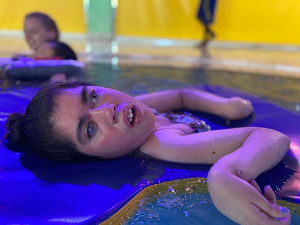
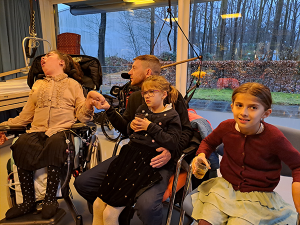
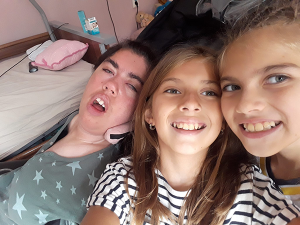
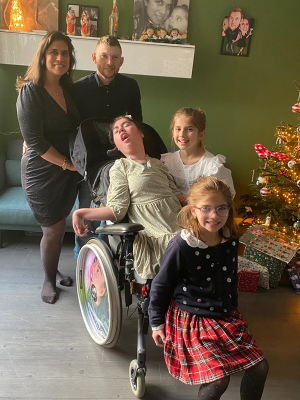
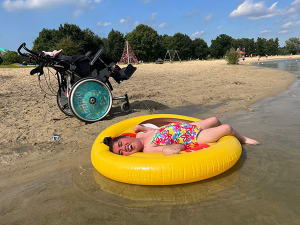
At the end of March 2007, Ainhoa was abused again. This incident included bruises and cuts and I understood what had happened. There wasn’t any doubt.
Ainhoa and I had to enter a whole new reality . A road that is a never-ending discovery of the consequences of my girl being shaken. As life-altering and devastating this was to her, it has also led us to beautiful things. Ainhoa's has an amazing new father and two little sisters.
With everything that Ainhoa goes through, she gives me strength to stand up. Our family and I fight every day for her, and we strive to find new paths to combat child maltreatment.
She's given me this voice. I'm her voice, her legs, her arms, her beliefs. I want to make some sense out of this very senseless act to help others. Even if Ainhoa’s story saved one child, that would be an achievement. But we don't stop with one. We continue…
2. Clinicians
Pediatric healthcare providers (HCPs) can enhance the safety, health, and well-being of their patients by focusing on relational health5. Trauma-informed, family-centered pediatric care equips HCPs with the necessary tools to prevent child maltreatment and build resilience. This approach includes anticipatory guidance and consistent, attentive follow-up. When risk factors for child maltreatment are identified, well-researched targeted interventions are available to help prevent future harm. Additionally, familiarity with community resources, along with thorough anticipatory organization and planning, can help healthcare providers effectively support families and children at risk of maltreatment.
3. Justice System Professionals
The justice system plays a pivotal role in the prevention of abusive head trauma (AHT) by enforcing laws that protect children from harm and holding perpetrators accountable. Through collaboration with healthcare providers, child protective services, and community organizations, the justice system ensures that cases of suspected AHT are thoroughly investigated and that children are safeguarded from further abuse. Additionally, the justice system supports prevention efforts by promoting public awareness, implementing policies that encourage early intervention, and providing legal frameworks that facilitate the prosecution of offenders. By prioritizing the protection of vulnerable children and ensuring justice for victims, the justice system contributes significantly to reducing the incidence of AHT.
The Conversation and Approach
The Period of PURPLE Crying program is an effective, evidence-based prevention program that aims to support caregivers in their understanding of normal early increased infant crying and to reduce the incidence of AHT. Based on over 60 years of research on infant crying, the program teaches and reinforces messages like:
- “Early increased crying is normal,”
- “If the crying is too frustrating it is ok to walk away,” and
- “Never shake a baby.”

The PURPLE acronym was developed as a meaningful and memorable way for caregivers to recognize that these aspects of infant crying will happen and are completely normal in healthy infants. We then preface the acronym with the word “period” to remind parents/caregivers that this increase in crying does not go on forever, but only for a particular time period in the infant’s life and will come to an end.
Published Research
The delivery of this effective AHT prevention program has been studied for over 15 years and has shown the program to be highly effective at reducing cases as well as being cost effective.
2007 – PURPLE Materials
In 2007, the Period of PURPLE Crying program materials were made public.
2009 – Randomized Controlled Trials6,7
Two years later, two parallel randomized controlled trials were published in both Canadian Medical Association Journal and in Pediatrics showing a change in knowledge and behavior related to the PURPLE program.
2013 – Study in NC, USA8
In North Carolina in 2013, a study found that shaking as a form of discipline was reduced by 50% with PURPLE intervention.
2015 – ER & Crying Complaints9
In 2015, PURPLE was found to decrease emergency department visits for complaint of crying unrelated to physical illness by 29% in BC, Canada. This reduction in emergency department visits led to a hospital cost savings of 18%.
2018 – 8-Year Study10
One of the most important studies to support the program was published in 2018. An 8-year outcome of implementation study revealed the PURPLE program was associated with a 35% reduction in AHT in children under 2 years old. This study was published in the Child Abuse & Neglect Journal and was selected as the article of the year.
2018 – Parents Use of the Program10
The same study also found that caregivers having physical materials at home with them to review is a critical component in AHT prevention. The study showed Mother’s use of the program materials more than doubled at home post discharge and 50% of fathers had read and view the materials by the 2-month mark when their infant crying was at its peak.
2019 – Cost-Effectiveness11
Following the above article, a cost-effectiveness study was published in 2019. This study found that every dollar spent on PURPLE had an associated $54 savings by society. This can be compared to Zero Tolerance where every $1 spent $25 is saved or Child Safety Seat Laws where every $1 spent $42 is saved.
2021 – Hispanic Mothers12
In 2021, a study conducted on a population of Hispanic mothers found that their knowledge of normal infant crying patterns was improved through the delivery of PURPLE.
2023 – Infant Physical Abuse13
The latest study featured was published in December 2023 and found that hospitalization rates for physical abuse in children under 2 years of age decreased by 30% in BC, after PURPLE was universally implemented.
Contact Information
If you are interested in learning more about the Period of PURPLE Crying program, or how your organization could implement it as your AHT prevention education contact the National Center on Shaken Baby Syndrome at or call 801-447-9360 x 1

The Period of PURPLE Crying is a registered trademark and all content is copyright protected. All rights reserved, Ronald G. Barr, MDCM and the National Center on Shaken Baby Syndrome (2004-2024).
The Period of PURPLE Crying can only be delivered to families as the App+Booklet package. Altering the program materials, referring parents to our website page intended for providers, only showing the videos to families without providing the App+Booklet package, or adding any of the PURPLE information onto websites, flyers, handouts, or other resources created is a violation of the program Fidelity and Copyright.
Delivering the PURPLE prevention education through these methods will diminish the research and effectiveness of this program. Please help us continue to deliver this effective program to families by upholding the fidelity of the program delivery model.
References
- 1. Narang, S. K., Fingarson, A. D., Lukefahr, J. M., & COUNCIL ON CHILD ABUSE AND NEGLECT (2020). Abusive Head Trauma in Infants and Children. Pediatrics, 145(4), 1-7.
- 2. Brazelton, T.B. (1962, April). Crying in Infancy. Pediatrics, 29(4), 579-88.
- 3. Lee, C., Barr, R. G., Catherine, N., & Wicks, A. (2007, August). Age-related incidence of publicly reported shaken baby syndrome cases: is crying a trigger for shaking? Journal of Developmental & Behavioral Pediatrics, 28(4), 288-93.
- 4. Barr, R.G., Trent, R.B., & Cross, J. (2006, January). Age-related incidence curve of hospitalized Shaken Baby Syndrome cases: convergent evidence for crying as a trigger to shaking. Child Abuse & Neglect, 30(1), 7-16.
- 5. Stirling, J., Gavril, A., Brennan, B., Sege, R. D., Dubowitz, H., & American Academy of Pediatrics, Council on Child Abuse and Neglect. (2024). The pediatrician’s role in preventing child maltreatment: Clinical report. Pediatrics, 154(2), e2024067608.
- 6. Barr, R. G., Barr, M., Fujiwara, T., Conway, J., Catherine, N., & Brant, R. (2009). Do educational materials change knowledge and behaviour about crying and shaken baby syndrome? A randomized controlled trial. Canadian Medical Association Journal, 180(7), 727-733.
- 7. Barr, R. G., Rivara, F. P., Barr, M., Cummings, P., Taylor, J., Lengua, L. J., & Meredith-Benitz, E. (2009). Effectiveness of Educational Materials Designed to Change Knowledge and Behaviors Regarding Crying and Shaken-Baby Syndrome in Mothers of Newborns: A Randomized, Controlled Trial. Pediatrics, 123(3), 972-980.
- 8. Reese, L. S., Heiden, E. O., Kim, K. Q., & Yang, J. (2014). Evaluation of Period of PURPLE Crying, an Abusive Head Trauma Prevention Program. JOGNN, 752-761.
- 9. Barr, R. G., Rajabali, F., Aragon, M., Colbourne, M., & Brant, R. (2015). Education About Crying in Normal Infants is Associated with a Reduction in Pediatric Emergency Room Visits for Crying Complaints. Journal of Developmental & Behavioral Pediatrics, 36(4), 252-257.
- 10. Barr, R.G., Barr, M., Rajabali, F., Humphreys, C., Pike, I., Brant, R., Singahl, A. (2018, October). Eight-year outcome of implementation of abusive head trauma prevention. Child Abuse & Neglect, 84, 106-14.
- 11. Beaulieu, E., Rajabali, F., Zheng, A., Pike, I. (2019). The lifetime costs of pediatric abusive head trauma and a cost-effectiveness analysis of the Period of PURPLE Crying.
- 12. Jalloul, R.J., Vigil, A., Chen, H.Y., et al. (2021). Effectiveness of Educational Materials Designed to Improve Knowledge Regarding Crying and Shaken Baby Syndrome in Moths of Hispanic Population. Hispanic Health Care International. 2022;20(3):179-183.
- 13. Sadler, K., Rajabali, F., Zheng, A., et al. (2023). Impact of a Parent Education Program Delivered by Nurses and Health Care Providers in Reducing Infant Physical Abuse Hospitalization Rates in British Columbia, Canada. Canadian Journal of Nursing Research. 2023;0(0).
- 14. (2010, March). Shaken Baby Syndrome Tip Sheet. Retrieved from CDC: CDC_5965_DS1.
- 15. Keenen, H. T., Runyan, D.K., Marshall, S .W., Nocera, M. A., Merten, D. F., & Sinal, S. H. (2003). A Population-Based Study of Inflicted Traumatic Brain Injury in Young Children. Journal of the American Medical Association, 290(5), 621-26.
- 16. Jenny, C., Hymel, K. P., Titzen, A., Reinart, S. E., & Hay, T. C. (1999). Analysis of missed cases of abusive head trauma. Journal of the American Medical Association, 281(7), 621-626.
APHA NCSBS Poster Information
Title: Abusive Head Trauma Prevention: The Role a Public Health System Can Play
Authors: Sue Ewy, MS, RN, PHN, and Shantel Wakley, BS
Minnesota Department of Health (MDH) and National Center on Shaken Baby Syndrome (NCSBS)
Background Evidence
What is shaken baby syndrome/abusive head trauma (SBS/AHT)? The Center for Disease Control and Prevention defines shaken baby syndrome as a preventable, severe form of physical child abuse resulting from violently shaking an infant by the shoulders, arms, or legs14. SBS/AHT may result from both shaking alone and shaking with impact so the term abusive head trauma (AHT) is used more inclusively.
Abusive Head Trauma (AHT) is the leading cause of infant mortality due to physical abuse causing death in more than 25% of AHT cases1. Approximately 1,200-1,400 clinically recognized cases occur each year in the United States15. Around 32-38 cases per 100,000 children less than 1-year-old suffer from AHT each year, and because 30-40% of cases are missed at medical institutions, the actual incidence is unknown despite these prior estimations16. Likely the known incidence is just the tip of the iceberg.
The evidence that shaking a baby is an extremely dangerous caregiving behavior is compelling and increasing.
A study conducted by Dr. T. Berry Brazelton on healthy newborns in his Philadelphia practice found that all infants experience a normal phase of increased crying starting at 2 weeks, peaking at 2 months and decreasing in months 3-52. Many replications of Dr. Brazelton’s study found that regardless of whether the babies were born pre- or full-term and despite the vast differences in caregiving behaviors and even species, all the subjects studied showed an age-related crying or distress pattern. This led the NCSBS to hypothesize that this increased crying may be a trigger for AHT.
Two studies were then published showing the relationship between this crying curve and the age-related incidence of AHT3,4. A study conducted on 273 hospitalized AHT cases in California from 1996 to 2000 showed that when plotting the number of cases by age the shape of the curve is very similar to the crying curve in Dr. Brazelton’s study.
To further support the evidence that normal crying and AHT are related they turned to publicly reported AHT cases. They graphed the 591 AHT cases by age regardless of their specified trigger, and the curve was virtually identical to the curve obtained in the California hospital study. Then they looked at the 166 cases that just mentioned frustration with crying as the specified trigger for shaking which was also virtually identical to the crying curve.
These studies found that the most common stimulus for AHT is an infant’s normal increased crying.
The knowledge that shaking a baby is an extremely dangerous caregiving behavior, increased infant crying is a normal part of child development all healthy infants experience, and this increase in inconsolable crying is the most common stimulus for AHT created a pathway for AHT prevention, and are the three lines of evidence the Period of PURPLE Crying program is based on.
The Period of PURPLE Crying
The Period of PURPLE Crying program is an effective, evidence-based prevention program that aims to support caregivers in their understanding of normal early increased infant crying and to reduce the incidence of AHT. Based on over 60 years of research on infant crying, the program teaches and reinforces messages like:
- “Early increased crying is normal,”
- “If the crying is too frustrating it is ok to walk away,” and
- “Never shake a baby.”
The PURPLE acronym was developed as a meaningful and memorable way for caregivers to recognize that these aspects of infant crying will happen and are completely normal in healthy infants. We then preface the acronym with the word “period” to remind parents/caregivers that this increase in crying does not go on forever, but only for a particular time period in the infant’s life and will come to an end.
Published Research
The delivery of this effective AHT prevention program has been studied for over 15 years and has shown the program to be highly effective at reducing cases as well as being cost effective.
2007 – PURPLE Materials
In 2007, the Period of PURPLE Crying program materials were made public.
2009 – Randomized Controlled Trials6,7
Two years later, two parallel randomized controlled trials were published in both Canadian Medical Association Journal and in Pediatrics showing a change in knowledge and behavior related to the PURPLE program.
2013 – Study in NC, USA8
In North Carolina in 2013, a study found that shaking as a form of discipline was reduced by 50% with PURPLE intervention.
2015 – ER & Crying Complaints9
In 2015, PURPLE was found to decrease emergency department visits for complaint of crying unrelated to physical illness by 29% in BC, Canada. This reduction in emergency department visits led to a hospital cost savings of 18%.
2018 – 8-Year Study10
One of the most important studies to support the program was published in 2018. An 8-year outcome of implementation study revealed the PURPLE program was associated with a 35% reduction in AHT in children under 2 years old. This study was published in the Child Abuse & Neglect Journal and was selected as the article of the year.
2018 – Parents Use of the Program10
The same study also found that caregivers having physical materials at home with them to review is a critical component in AHT prevention. The study showed Mother’s use of the program materials more than doubled at home post discharge and 50% of fathers had read and view the materials by the 2-month mark when their infant crying was at its peak.
2019 – Cost-Effectiveness11
Following the above article, a cost-effectiveness study was published in 2019. This study found that every dollar spent on PURPLE had an associated $54 savings by society. This can be compared to Zero Tolerance where every $1 spent $25 is saved or Child Safety Seat Laws where every $1 spent $42 is saved.
2021 – Hispanic Mothers12
In 2021, a study conducted on a population of Hispanic mothers found that their knowledge of normal infant crying patterns was improved through the delivery of PURPLE.
2023 – Infant Physical Abuse13
The latest study featured was published in December 2023 and found that hospitalization rates for physical abuse in children under 2 years of age decreased by 30% in BC, after PURPLE was universally implemented.
Home Visiting & PURPLE
Home visiting programs that include the following components show positive impacts on their effectiveness:16

- Focus on improvement of parental expectations of the child and parenthood in general (p=0.016)
- Targeting parental responsiveness or sensitivity to a child’s needs (p<0.001)
- Video-based feedback (p=0.038)
The Period of PURPLE Crying program includes all three components.
Minnesota Family Home Visiting

The map shows the family home visiting programs who utilize the PURPLE materials when educating the families they serve throughout Minnesota.
Minnesota Department of Health's Family Home Visiting (FHV) section encourages local public health agencies who receive funding for family home visiting from MDH to incorporate the Period of PURPLE Crying program into the model that they provide.
The PURPLE program is embedded into the MN Maternal Early Childhood Sustained Home-Visiting (MECSH) model of FHV and is an approved Maternal, Infant, and Early Childhood Home Visiting evidence-based, FHV model. PURPLE materials are included in the "Crying and Settling" module within the MN MECSH curriculum.
Program Delivery in Minnesota
The Period of PURPLE Crying program uses a three dose exposure approach to create a cultural change in the way society views normal infant crying.
MDH encourages all family home visiting grantees to incorporate the Period of PURPLE Crying program into the family home visiting that they provide.
MDH guidance suggests family home visiting grantees who implement the program provide both dose one and dose two to every family in the first few months after the birth of an infant. This ensures families receive the critical information before their infant's crying starts to naturally increase, and then a reinforcement of the information around the peak of their infant's crying.
.

In the MN MECSH Model, home visitors are working toward providing dose one in week two and dose two in week eight of the curriculum to meet model fidelity. Family home visiting nurses have the capacity to deliver additional education at their discretion as appropriate through the infant's first year of life, reinforcing the key messages to any family.
All MECSH home visitors are required, and supervisors are encouraged to complete the PURPLE Crying training from the NCSBS as well as refresh their training at least every two years.
Local programs are encouraged to work with their local hospitals and medical clinics to coordinate public education and media campaigns.
Contact Information
If you are interested in learning more about the Period of PURPLE Crying program, or how your organization could implement it as your AHT prevention education contact the National Center on Shaken Baby Syndrome at or call 801-447-9360 x 1
If you are interested in learning more about the Minnesota Department of Health’s efforts of delivering this program through their Family Home Visiting program contact the MDH at

The Period of PURPLE Crying is a registered trademark and all content is copyright protected. All rights reserved, Ronald G. Barr, MDCM and the National Center on Shaken Baby Syndrome (2004-2024).
The Period of PURPLE Crying can only be delivered to families as the App+Booklet package. Altering the program materials, referring parents to our website page intended for providers, only showing the videos to families without providing the App+Booklet package, or adding any of the PURPLE information onto websites, flyers, handouts, or other resources created is a violation of the program Fidelity and Copyright.
References
- 1. Narang, S. K., Fingarson, A. D., Lukefahr, J. M., & COUNCIL ON CHILD ABUSE AND NEGLECT (2020). Abusive Head Trauma in Infants and Children. Pediatrics, 145(4), 1-7.
- 2. Brazelton, T.B. (1962, April). Crying in Infancy. Pediatrics, 29(4), 579-88.
- 3. Lee, C., Barr, R. G., Catherine, N., & Wicks, A. (2007, August). Age-related incidence of publicly reported shaken baby syndrome cases: is crying a trigger for shaking? Journal of Developmental & Behavioral Pediatrics, 28(4), 288-93.
- 4. Barr, R.G., Trent, R.B., & Cross, J. (2006, January). Age-related incidence curve of hospitalized Shaken Baby Syndrome cases: convergent evidence for crying as a trigger to shaking. Child Abuse & Neglect, 30(1), 7-16.
- 5. Stirling, J., Gavril, A., Brennan, B., Sege, R. D., Dubowitz, H., & American Academy of Pediatrics, Council on Child Abuse and Neglect. (2024). The pediatrician’s role in preventing child maltreatment: Clinical report. Pediatrics, 154(2), e2024067608.
- 6. Barr, R. G., Barr, M., Fujiwara, T., Conway, J., Catherine, N., & Brant, R. (2009). Do educational materials change knowledge and behaviour about crying and shaken baby syndrome? A randomized controlled trial. Canadian Medical Association Journal, 180(7), 727-733.
- 7. Barr, R. G., Rivara, F. P., Barr, M., Cummings, P., Taylor, J., Lengua, L. J., & Meredith-Benitz, E. (2009). Effectiveness of Educational Materials Designed to Change Knowledge and Behaviors Regarding Crying and Shaken-Baby Syndrome in Mothers of Newborns: A Randomized, Controlled Trial. Pediatrics, 123(3), 972-980.
- 8. Reese, L. S., Heiden, E. O., Kim, K. Q., & Yang, J. (2014). Evaluation of Period of PURPLE Crying, an Abusive Head Trauma Prevention Program. JOGNN, 752-761.
- 9. Barr, R. G., Rajabali, F., Aragon, M., Colbourne, M., & Brant, R. (2015). Education About Crying in Normal Infants is Associated with a Reduction in Pediatric Emergency Room Visits for Crying Complaints. Journal of Developmental & Behavioral Pediatrics, 36(4), 252-257.
- 10. Barr, R.G., Barr, M., Rajabali, F., Humphreys, C., Pike, I., Brant, R., Singahl, A. (2018, October). Eight-year outcome of implementation of abusive head trauma prevention. Child Abuse & Neglect, 84, 106-14.
- 11. Beaulieu, E., Rajabali, F., Zheng, A., Pike, I. (2019). The lifetime costs of pediatric abusive head trauma and a cost-effectiveness analysis of the Period of PURPLE Crying.
- 12. Jalloul, R.J., Vigil, A., Chen, H.Y., et al. (2021). Effectiveness of Educational Materials Designed to Improve Knowledge Regarding Crying and Shaken Baby Syndrome in Moths of Hispanic Population. Hispanic Health Care International. 2022;20(3):179-183.
- 13. Sadler, K., Rajabali, F., Zheng, A., et al. (2023). Impact of a Parent Education Program Delivered by Nurses and Health Care Providers in Reducing Infant Physical Abuse Hospitalization Rates in British Columbia, Canada. Canadian Journal of Nursing Research. 2023;0(0).
- 14. (2010, March). Shaken Baby Syndrome Tip Sheet. Retrieved from CDC: CDC_5965_DS1.
- 15. Keenen, H. T., Runyan, D.K., Marshall, S .W., Nocera, M. A., Merten, D. F., & Sinal, S. H. (2003). A Population-Based Study of Inflicted Traumatic Brain Injury in Young Children. Journal of the American Medical Association, 290(5), 621-26.
- 16. Jenny, C., Hymel, K. P., Titzen, A., Reinart, S. E., & Hay, T. C. (1999). Analysis of missed cases of abusive head trauma. Journal of the American Medical Association, 281(7), 621-626.
Registration
Registration is OPEN!
2024 Registration Prices
| Physicians | $595 |
| General | $495 |
| Students* | $250 |
| Families of Victims | $250 |
| Survivors | Free |
| Groups of 5-9** | $425 per attendee |
| Groups of 10+* | $375 per attendee |
| Baby Bootcamp for Trauma Investigators Only |
$150 per attendee |
| Baby Bootcamp for Trauma Investigators Add-On |
$125 per attendee |
*Will need a field of study/year and affiliation to register
**Will need to register together and pay on a single transaction
Registration rates include access to all keynote, breakout sessions and opening reception. The NCSBS will provide two breaks per day which includes coffee and snack items. Lunch is on your own.
Registration is open, but be aware that a late fee of $50.00 will be applied starting August 15th, 2024.
Register for the conference by clicking this button: REGISTER NOW
Be advised: Clicking the "REGISTER NOW" button will take you to our conference micro-site. This micro-site is associated with our conference app, Zoho Backstage for Attendees. This website, the app and the micro-site will be updated regularly as we gather more information. You can go to the micro-site directly at: https://ncsbsconference.zohobackstage.com/2024slc
Below are links to Justification Letter Templates in both Microsoft .docx and Adobe .pdf formats for those who need them.
Download the Justification Letter Template in .doc format Download the Justification Letter Template in .pdf format
Conference Loyalty Program
Don't forget that if you attended our 2022 International Conference on Shaken Baby Syndrome / Abusive Head Trauma (SBS/AHT) in Philadelphia, you are eligible to receive 10% off the registration fee for our upcoming 2024 conference in Salt Lake City. Our Conference Attendee Loyalty Program introduced at the Philadelphia conference rewards our frequent attendees and places attendees in three tiers*:
- Ally: Earn 10% off registration fees after attending one conference
- Supporter: Earn 15% off after two conferences attended
- Champion: Earn 20% off after three conferences attended
* Attendance credit begins with the 2022 Philadelphia conference.
Email Trachelle at or call 801-447-9360 ext.112 if you have any questions.
2024 Boot Camp
Pre-Conference NCSBS x NYC OCME Collaboration: Baby Bootcamp for Trauma Investigators

September 14, 2024 : 9:00A - 12:30P
This symposium will provide invaluable training and information for medical, legal, judicial, and law enforcement professionals on the basics of pediatric trauma investigation.
Attendees of this conference will learn:
- The fundamentals of medical findings/injuries commonly associated with sudden, unexplained death in babies and toddlers.
- How the quality of the police investigation impacts the interpretation of the medical findings/injuries in abby and toddler fatality cases
- Medical, legal and law enforcement investigative approaches through case examples.
SPEAKERS
P. Leigh Bishop, Esq.
Director, Babies and Toddlers (BaT) Task Force
NYC Office of Chief Medical Examiner
Cindy W. Christian, MD
Anthony A. Latini Endowed Chair in the Prevention of Child Abuse and Neglect, The Children’s Hospital of Philadelphia
Professor of Pediatrics, University of Pennsylvania Perelman School of Medicine
Detective Michael J. McNelis (Retired)
New York City Police Department Special Victims Division
Vincent J. Palusci, MD, MS, FAAP
Professor of Pediatrics,New York University Grossman School of Medicine
The cost to attend this pre-conference bootcamp is $150 or can be combined as an add-on ticket to the SBS/AHT conference for $125. Register for the bootcamp and conference by clicking this button.
Download the Baby Bootcamp for Trauma Investigators Informational Flyer PDF
2024 Resources for Families
The NCSBS recognizes that families and caregivers of victims of SBS may need additional support and services during their stay in Salt Lake City. The Little America Hotel offers multiple accessible rooms and can accommodate additional requests to help make your stay as stress free as possible. For a guide to navigating accessibility in Salt Lake City, please visit this link.
Financial Support
Limited funding is available this year to provide scholarships to families of victims of SBS/AHT. Families who have not attended an SBS/AHT Conference in the past or who have not received a scholarship from the NCSBS will be given priority. These funds shall be used exclusively towards hotel and travel costs. This assistance will be awarded in amounts up to $750. Funds will be reimbursed at the beginning of the conference with the submission of all applicable receipts. To apply for the scholarship, please fill out the application found below. A committee will review all applications award based on financial need and desired outcomes of conference attendance.
Scholarships are available thanks to the generous support of:


Applying for scholarships does not guarantee you will receive assistance.
 Download the Scholarship Application and fill in the requested fields. Please contact Trachelle Hilton-King at with any questions.
Exhibitor Information
For any organizations or persons interested in registering an exhibit booth at the Nineteenth International Conference on Shaken Baby Syndrome / Abusive Head Trauma, information on fees, set-up and registration is below.
Exhibit Fees
The rate to exhibit at the conference is $500 for organizations and $250 for nonprofit organizations. This fee can be processed via credit card or check. All payment must be received prior to the conference. This exhibit fee does not include registration to the conference. If interested in attending the keynote presentations, breakout session and access to the breaks, you can register in the above Registration Section.
Exhibit Set-Up
A standard exhibit space includes the following amenities:
- 1 6’ draped table
- 1 electrical outlet (upon request only)
- 2 chairs
Registration
To register, download the Exhibitor Application form, fill out the requested information and return completed form to or mail to:
National Center on Shaken Baby Syndrome
Attn: Trachelle Hilton-King
1433 N 1075 W
Suite 110
Farmington, UT 84025
Donate